PART ONE
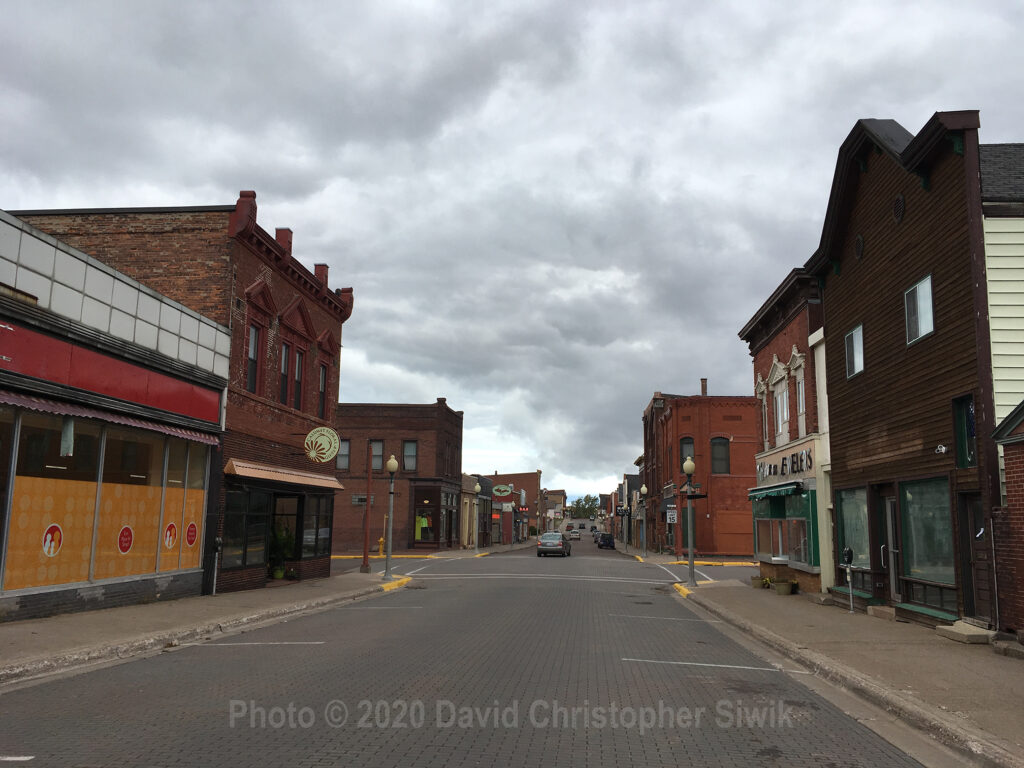
The traveler to the Keweenaw Peninsula of Michigan, the far most northern region in the state, may find it difficult to believe the area was a highly populated industrial center less then a century ago. Yet, in 1910, Houghton County, comprising the southern half of the Keweenaw Peninsula, was the fourth most populated county in Michigan, behind only Wayne, Kent and Saginaw. Even as recently as 1930, Houghton County remained in the top ten of Michigan Counties for total population. Among the folks who lived there were immigrants, most of whom came from Europe. Despite the rugged, rural nature of the region that exists today, a return in some ways to the nature of the land prior heavily mechanized extraction of copper between 1860 and the 1950s, the former industrial past of the region was an important step in the development of Michigan’s and the Midwest’s industrial economy.

Copper mining in the Keweenaw Peninsula extended as far back as the Native Americans who populated the area long before white European-Americans. Prior to the modern mining operations put in place by companies such as the Calumet & Hecla Mining Company, the Keweenaw copper region held the highest supply of native copper in the world. Beginning before the Civil War and increasing in earnest following, the Keweenaw Peninsula became the center of large mining operations run by companies financed from the East Coast. The largest and most profitable of these was the Calumet & Hecla Mining Company, initially formed as a single entity in 1871. Other companies followed, and over the decades of profitable copper mining in the area, they employed hundreds of thousands of workers.
Where was the Copper Country? The copper mining area of Michigan encompassed a relatively narrow band along the middle of the Keweenaw Peninsula and extending southwest as far as the modern-day Michigan-Wisconsin border near the communities of Ironwood and Hurley. What we now call Calumet stood at the center of the range and formed the locus of the Copper Strike of 1913-1914. Located along northern portion of the copper range, Calumet was, at one time, a thriving and bustling industrial complex with tens of thousands of residents. Things have changed quite a bit in the region between the 1910s and the 2020s.
The communities that now comprise Calumet and Laurium at the time included Red Jacket (later incorporated along with a portion of Laurium into the present day village of Calumet), Calumet Township, Laurium, and Osceola Township. Identified as Calumet/Laurium on the map above, at the time of the strike, this community had a population of around 52,000. By comparison, in the year 2020, the combined population of Calumet and Laurium is less than 2,800, just over 5% of its former size. When one thinks of the severe loss of population due to the deconstruction of the industrial core of cities like Flint or Detroit in southern Michigan, it is apt to look back at a much earlier industrial deconstruction and the long-term results. In this look into the copper strike, these communities are collectively referred to as Calumet and Laurium, and indeed this is where the bulk of the strike activity being the location of the Calumet & Hecla Mining Company. Workers also struck at other mining communities along the copper range with their own mining operations.
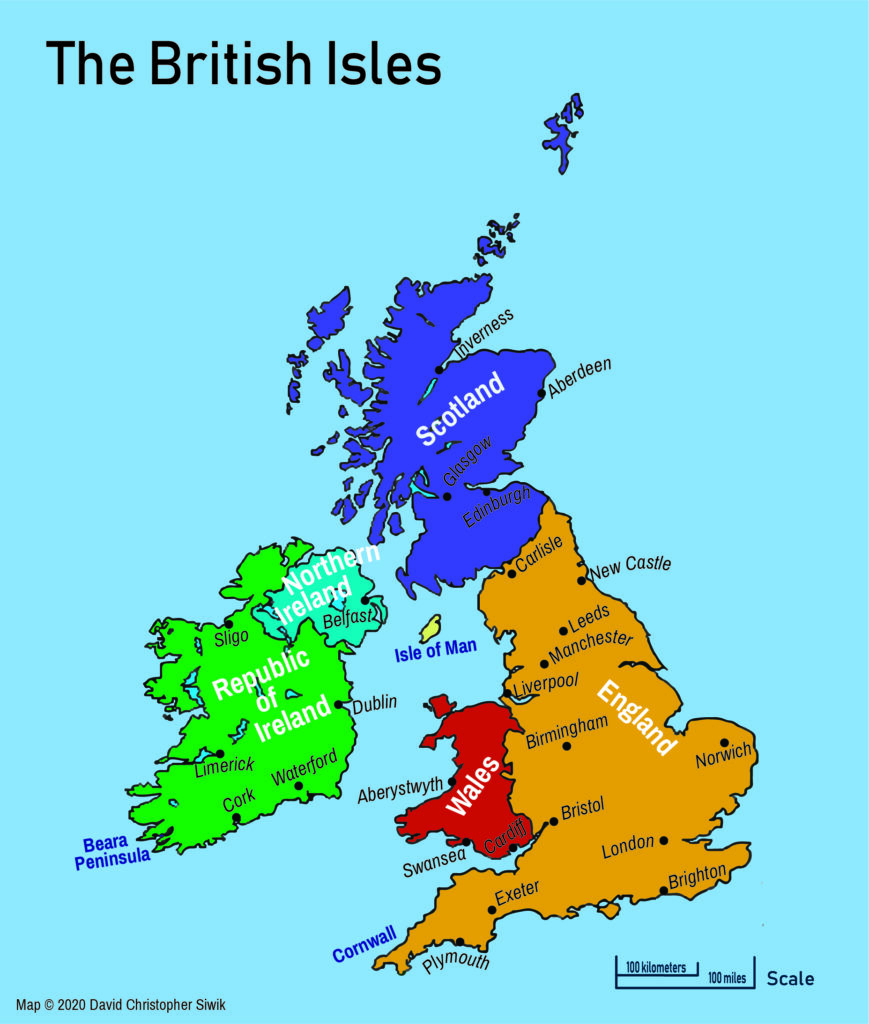
Initially the pool of labor into the copper mines consisted primarily of northern and western-Europeans, including Cornish, German and Irish workers. Many of these, especially the Irish and Cornish, were skilled miners, who had practiced their trade for generations in Ireland and England respectively, and who established a dominant labor hierarchy once employed by companies such as Calumet & Hecla.
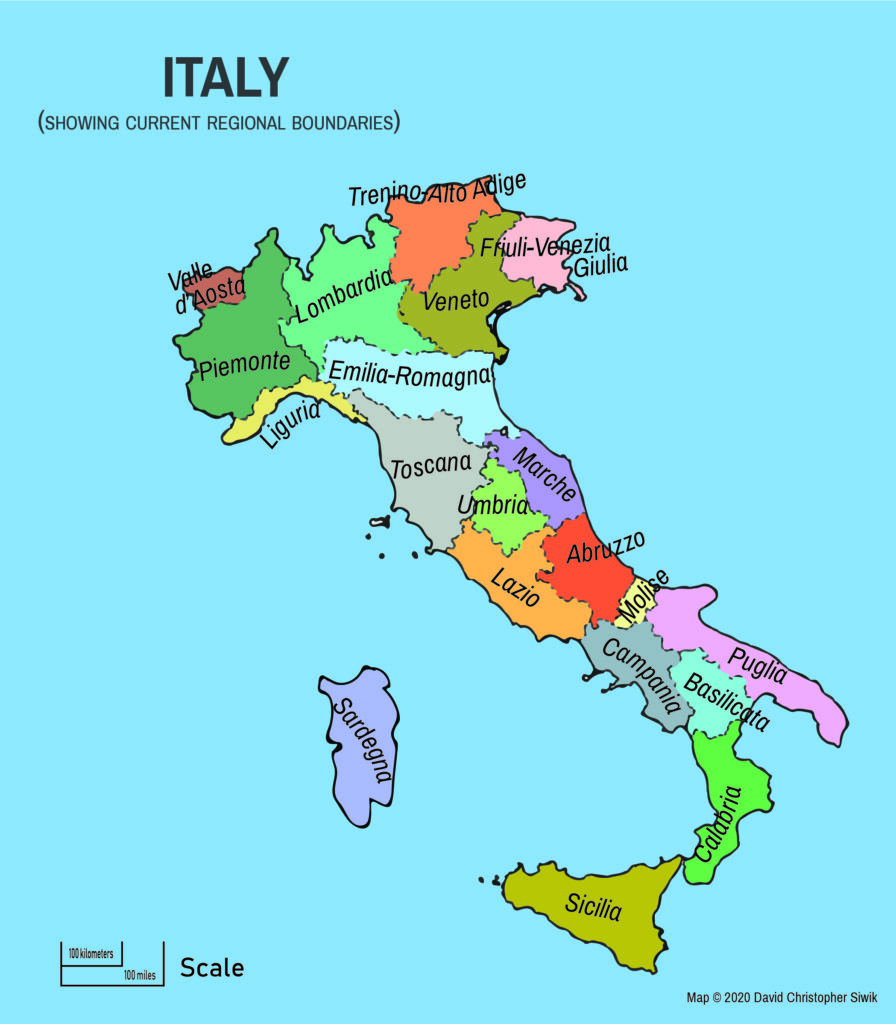
However, facing increasing competition in the early 1900s, Michigan copper mines turned to more mechanization and an increase in unskilled laborers who came primarily from eastern and southern Europe. The influx of Finnish, Italian and Eastern European workers such as Poles changed the make up of the immigrant labor force in the Keweenaw and brought with it a rise in tensions between the older immigrant miners and the new, unskilled laborers employed primarily as machine operators rather than skilled mineral extractors.
The mining companies such as the Calumet & Hecla were not only aware of the rising tensions; they exploited ethnic differences to their advantage, and assigned jobs based in part on existing racist stereotypes of attributes given to ethnic groups. For example, existing racist and ethno-stereotypes at the time deemed Finns and Poles as best fit for brute-force labor, uninterested in pursuing intellectual curiosities, yet diligent to hard work, and unlikely to cause trouble due to their obedient nature. With these stereotypical views, it is not surprising that these two groups in particular were assigned some of the worst jobs, with the lowest pay and most dangerous conditions, in the mines. Nor should it come as a shock to learn that Finns suffered among the highest rates of mining accidents, including those leading to death. The existing white-Protestant ethno-racism that encompassed a key element of mainstream American culture at the time of the Copper Strike would play a major role in how striking workers were perceived by the broader public.
In examining the this ethnic-separation of work, it is useful to look at the hierarchy of labor that existed in the mines based on ethnicity and job performed. Each year 40,000 workers labored in the mines. And while it is common to colloquially refer to all workers in the mines as “miners,” one must resist the temptation to do so here. The miner himself was a skilled tradesman who existed at the top of the underground labor hierarchy. As such, this was a distinction reserved for a very specific type of skilled laborer. Other workers also had terms that were germane to their skill level and actual work performed. Broadly speaking, the entire industry labor force was separated into office or professional/clerical staff, surface workers, and underground laborers. The distinction between surface and underground worker was key, with each having their own hierarchy.
Labor Hierarchy in the Mines
Surface positions included superintendents, captains, and bosses at the top of the hierarchy, rock house laborers below them, then the engineers, skilled, and unskilled or general laborers. The underground hierarchy included mine captains and shift bosses at the top, with miners, contract miners, and drill boys below them, and cutters and chiselemen at a middle level. Trammers, muckers, track men, and general laborers were at the bottom. Generally speaking, the further down the hierarchy one worked, the more dangerous his job was. Typically speaking, everyday workers would be injured, sometimes seriously, with an average of one fatality per week. Mining was dangerous work.
The combination of a dangerous work environment and tasks separated not only by skill, but also by ethnicity would have a substantial impact on the strike. Many of the eastern and northern European immigrants brought the more-developed, and in some cases more militant, labor organization techniques with them as they settled into the Keweenaw Peninsula. As such, the strike took on certain elements of a labor stoppage in Europe at the time. Yet, the response of management to the strike was all too typical of an American labor dispute, including attempting to divide the ethnic groups against one another, and “hiring workers straight off the boat” to come into the mines as replacement workers.
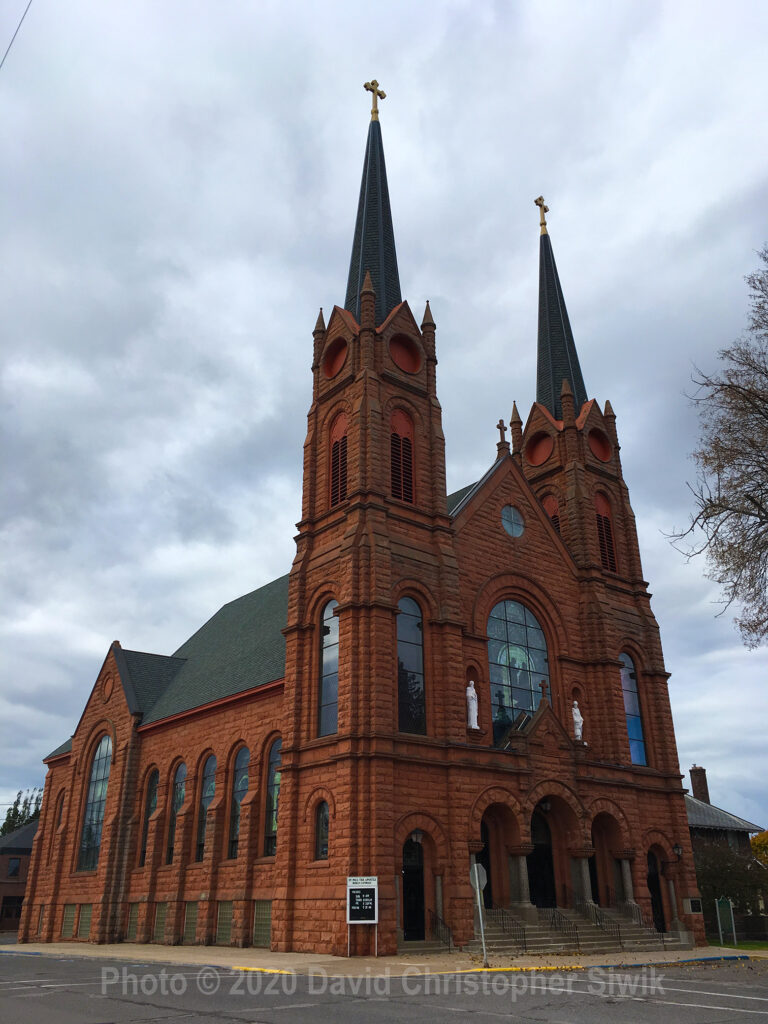
Regardless of where they came from, faith and family remained an integral part of the lives of many who lived in the region. For the European immigrants, the church played a particularly important role. Many ethnic groups established their own parishes, providing spiritual support as well as alms when times grew tough as the strike dragged out.
Coming up next!
Next, we meet Charles Moyer, James MacNaughton, the Western Federation of Miners, the Calumet & Hecla Mining company, and other significant men, women, and institutions that played a key role in the copper country strike.
